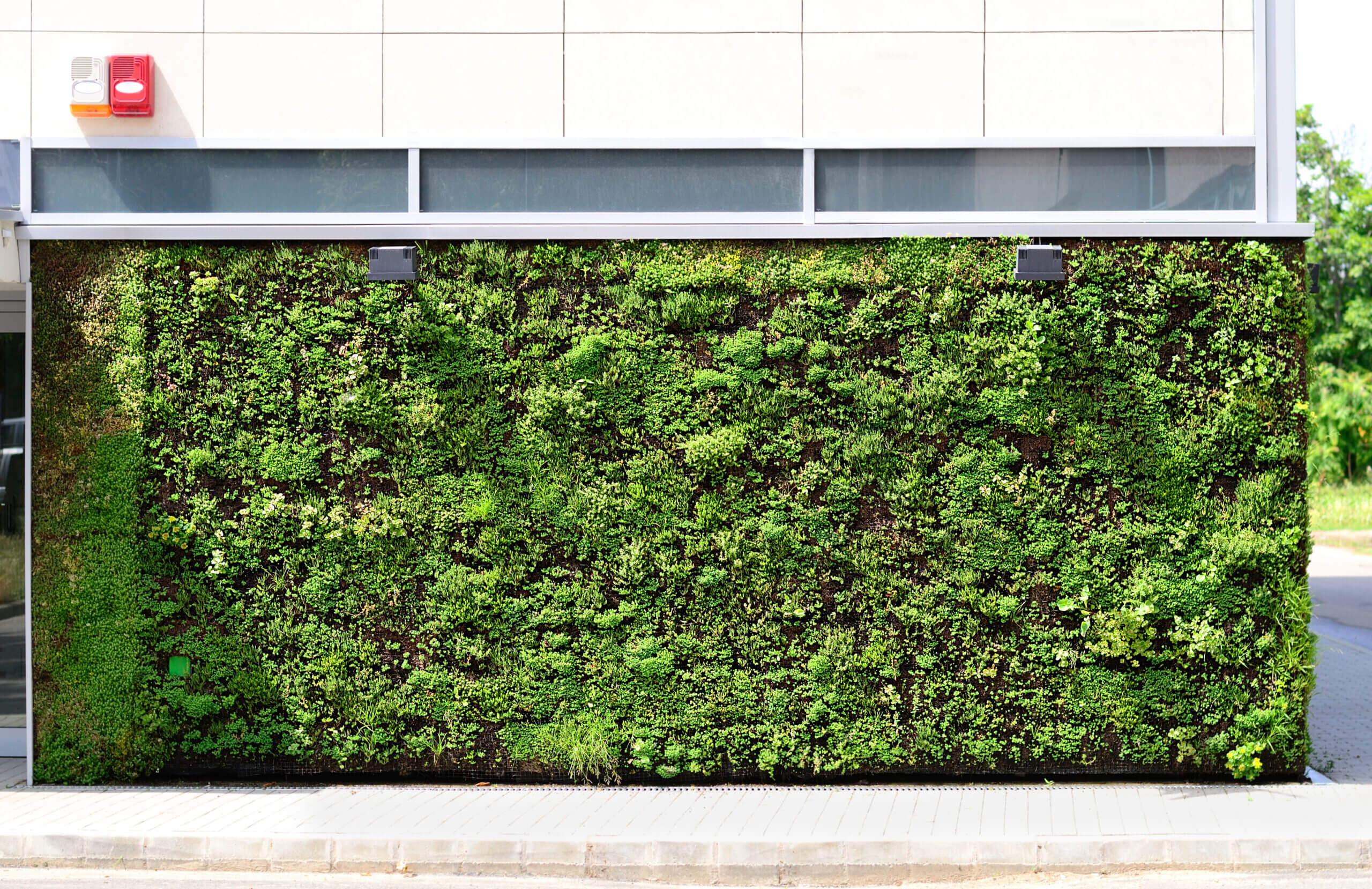
Today, where sustainability is a top priority, creative solutions like green walls are gaining traction. Known also as vegetated walls, these structures not only introduce plant life to metropolitan areas but also offer multiple benefits for both the environment and our wellness. This article will explore the intriguing world of living wall construction, investigate different living wall systems, and explain why living walls have become the green trend of the decade.
Living Wall Construction: Bringing Life to the Concrete Jungle
The creation of living walls integrates erecting vertical gardens on both exterior and interior walls of buildings. These green installations aim to replicate the natural growth of plants on vertical surfaces. Constructing a living wall generally follows these main steps:
Structural Considerations: It's important to evaluate the structural integrity of the wall. A robust framework is needed to hold the weight of the plants, soil, and water.
Plant Selection: Picking the right plants is crucial for the success of a living wall. Factors like environmental conditions, sunlight exposure, and wall orientation are taken into account to pick the best plant species.
Irrigation System: Effective irrigation is key to make sure the plants receive the right amount of water without leading to problems.
Growing Medium: A particular growing medium, lightweight yet nourishing, is used for the best plant growth.
Maintenance: Regular upkeep is essential to sustain a healthy living wall. Ongoing tasks such as pruning and fertilizing, and pest control are all part of the maintenance schedule.
Exploring Different Living Wall Systems
Over the years, living wall systems have evolved, offering a selection of options for different applications. Some of the most common living wall systems:
Hydroponic Systems: These are soil-free and deliver nutrients and water through a well-designed irrigation system. They are distinguished by their high efficiency and minimal water usage.
Modular Systems: Comprising of modular panels, these systems are straightforward to assemble and ideal for diverse locations.
Pocket Systems: Featuring plant pockets that can be stuffed with click here greenery, these systems enable creative designs and are frequently employed in smaller areas.
Felt or Fabric Systems: Using felt or fabric to hold plants and growing medium, these are easy to manage and suitable for indoor use.
Biophilic Systems: These blend living walls into architectural elements, improving human well-being by building a connection with nature.
Why Living Walls are Gaining Popularity
Living walls have gained popularity for numerous reasons:
Aesthetic Appeal: To transform spaces into vibrant, green havens.
Improved Air Quality: Acting as natural air purifiers.
Temperature Regulation: Providing insulation and lower energy consumption.
Noise Reduction: Foliage absorbs sound effectively.
Biophilic Benefits: They bring nature closer, improving mental and emotional health.
Sustainability: Contributing to reducing the urban heat island effect and supporting biodiversity.
In conclusion, living wall construction and systems have changed our interaction with the built environment. As green trends evolve, living walls offer a viable and visually stunning solution that benefits both the environment and our well-being. Whether it's for transforming an office space or creating a statement in a public area, living walls are the green solution for a vibrant and sustainable future.